An oldie
I recently picked up an old DSLR. I never thought I would use a camera like that for street photography. My venture with the genre started with a Sony A6000. From there, I’ve been more and more convinced that street photography can only be done with the proper equipment, that is, compact cameras, or else it would be a struggle. After owning the Sony, I moved to Fujifilm cameras. I shot with an X-Pro 2 for six years, and then I switched to a Nikon Zf. Heavier camera, similar aesthetic.
But it’s not just about how a camera looks. I always shoot manual; I prefer the so-called retro dials not just because they look cool, but because they’re actually practical. Already during the Fujifilm experience, I started using Voigtländer lenses in M-mount, which I still use today. It’s a matter of how fast this setup allows me to be. I zone-focus and let the camera figure out the rest. When I need to adjust, the focus tab comes to the rescue. If I need to control the shutter, on the Zf, the operation is one switch away: I turn the knob to manual, and I’m in full control.
The idea of taking the same type of photos with a DSLR has always sounded awkward to me. And yet, after falling for the hype for the “legendary” Nikon D700, I couldn’t resist.
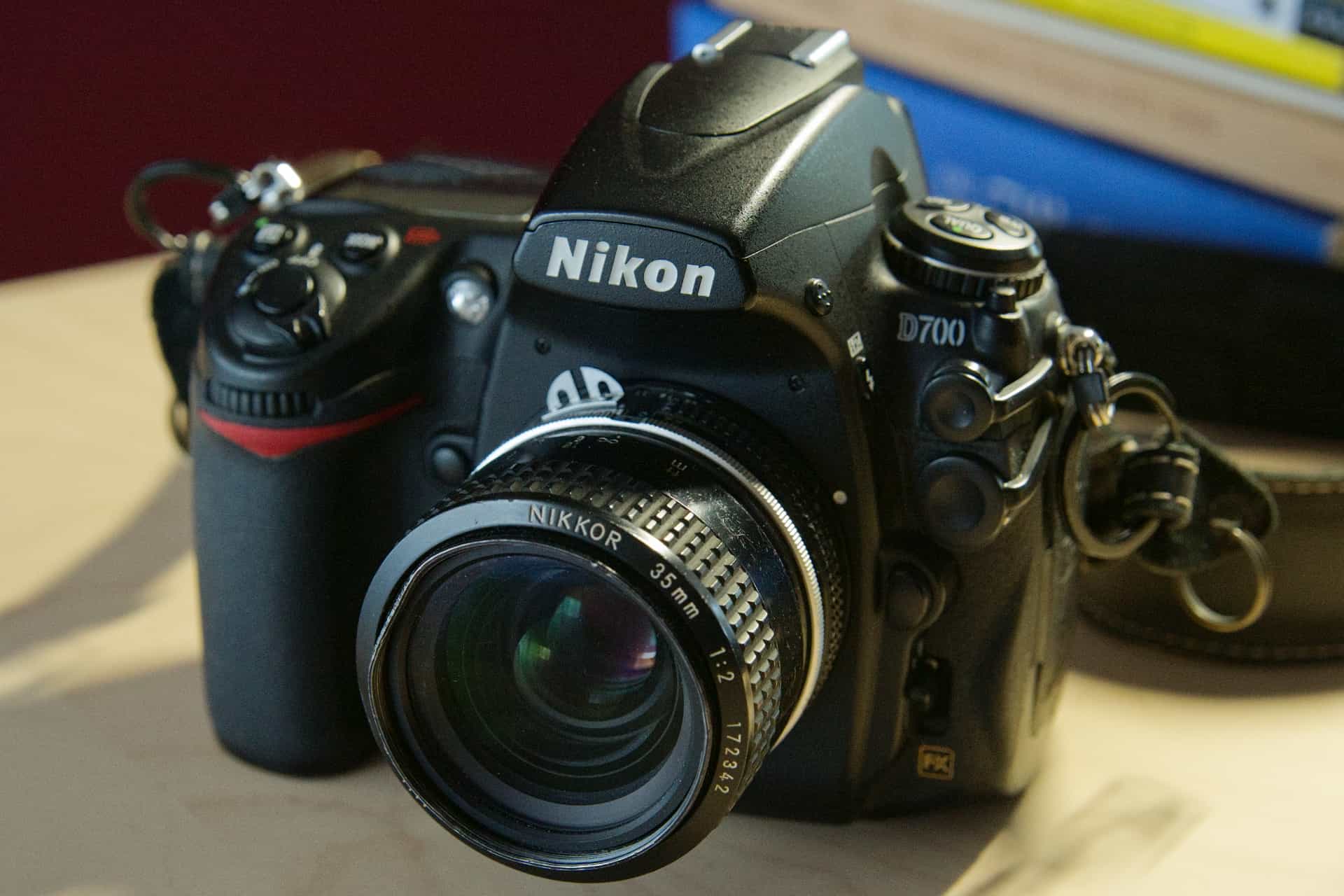
If the Nikon Zf felt heavier, at around 1kg (300 grams more than the Zf), the D700 is another step up in the bulky camera realm. And this camera is eighteen years old. What could I possibly find interesting, let alone useful for my practice, to justify carrying around extra weight?
The moment of truth
An important disclaimer: when I refer to street photography with a DSLR, I need to be more precise on what I mean by that.
My approach to this genre has changed over time, and it still is as I keep exploring different ways of shooting. The Zf has allowed me to be more discreet. Not only is the setup I’ve adopted, with the compact Voigtländer lenses, somewhat unobtrusive,
but the electronic shutter has also played a big role in staying as invisible as possible, so to speak. I can get pretty close to the subject, sometimes without them noticing me at all, or other times leave them doubting whether I actually took the shot.

Now, doing the same with the D700 is a different story. In fact, I’m not even trying. The kind of street photography I’m doing with the D700 is the type I did when I started, the kind of photos I wouldn’t take anymore, as I don’t deem them interesting.
But it’s fun nonetheless, and above all, it’s making me get acquainted with the D700. The plan would then be to use it for a real project (sort of a documentary one) along with the Zf, if and when the time comes. Something where discretion is not as important.
With the big caveat out of the way, now the fun part.
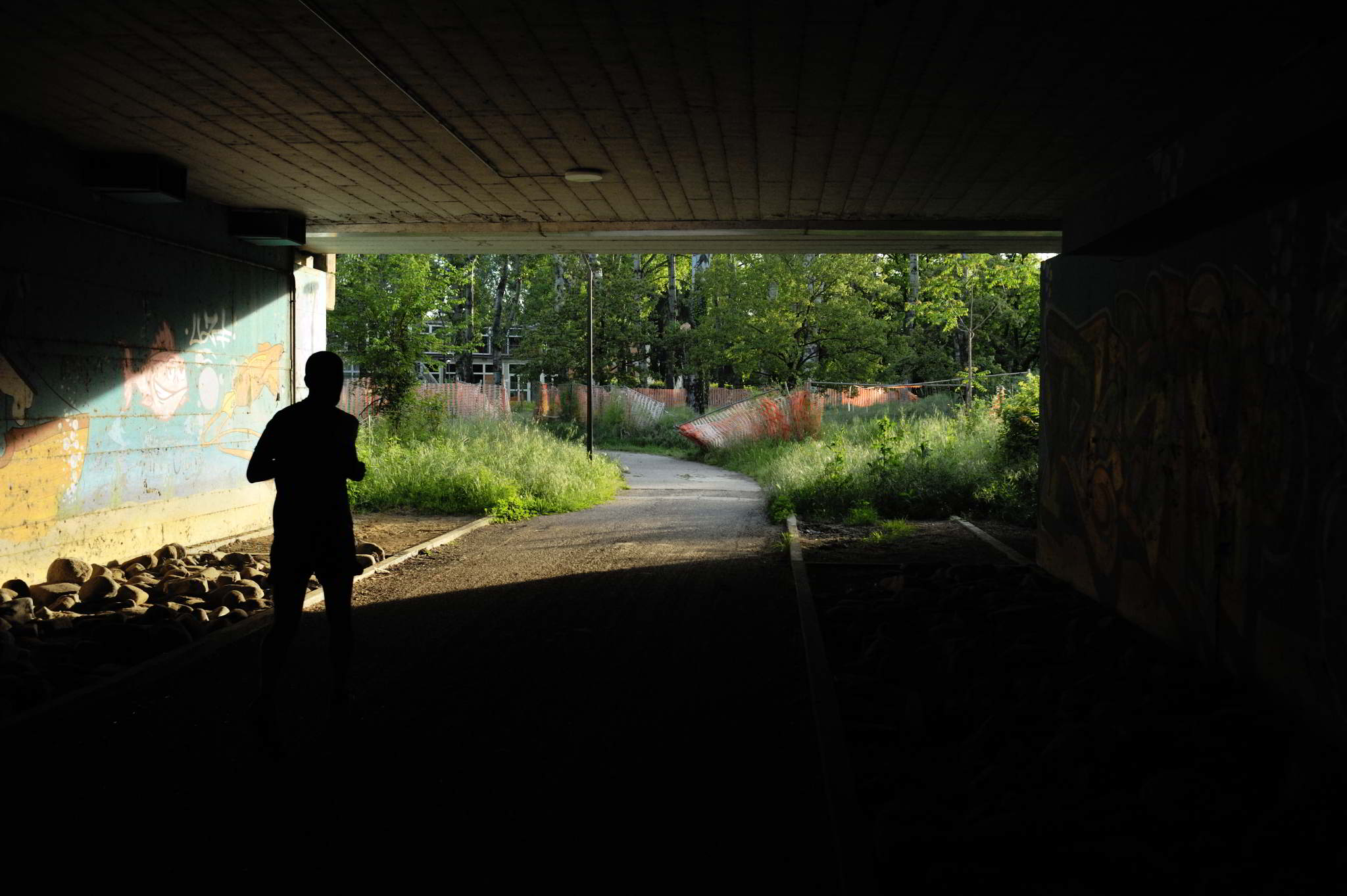
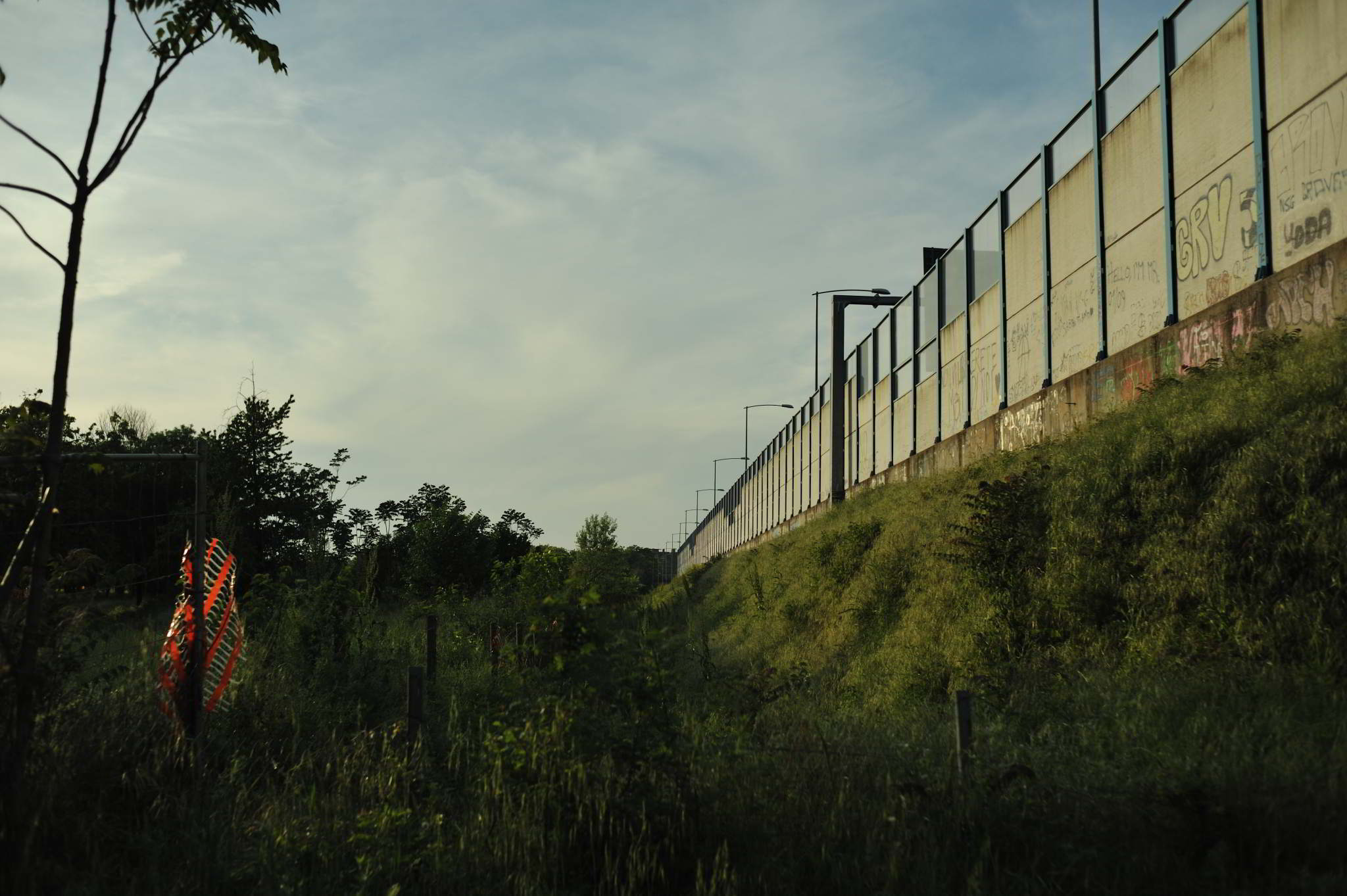
The first images I took with the Nikon D700. The EXIF shows a 28mm, as I mistakenly assigned that profile to the Non-CPU lens data. The two shots above were taken with an old Nikon 35mm AI f/2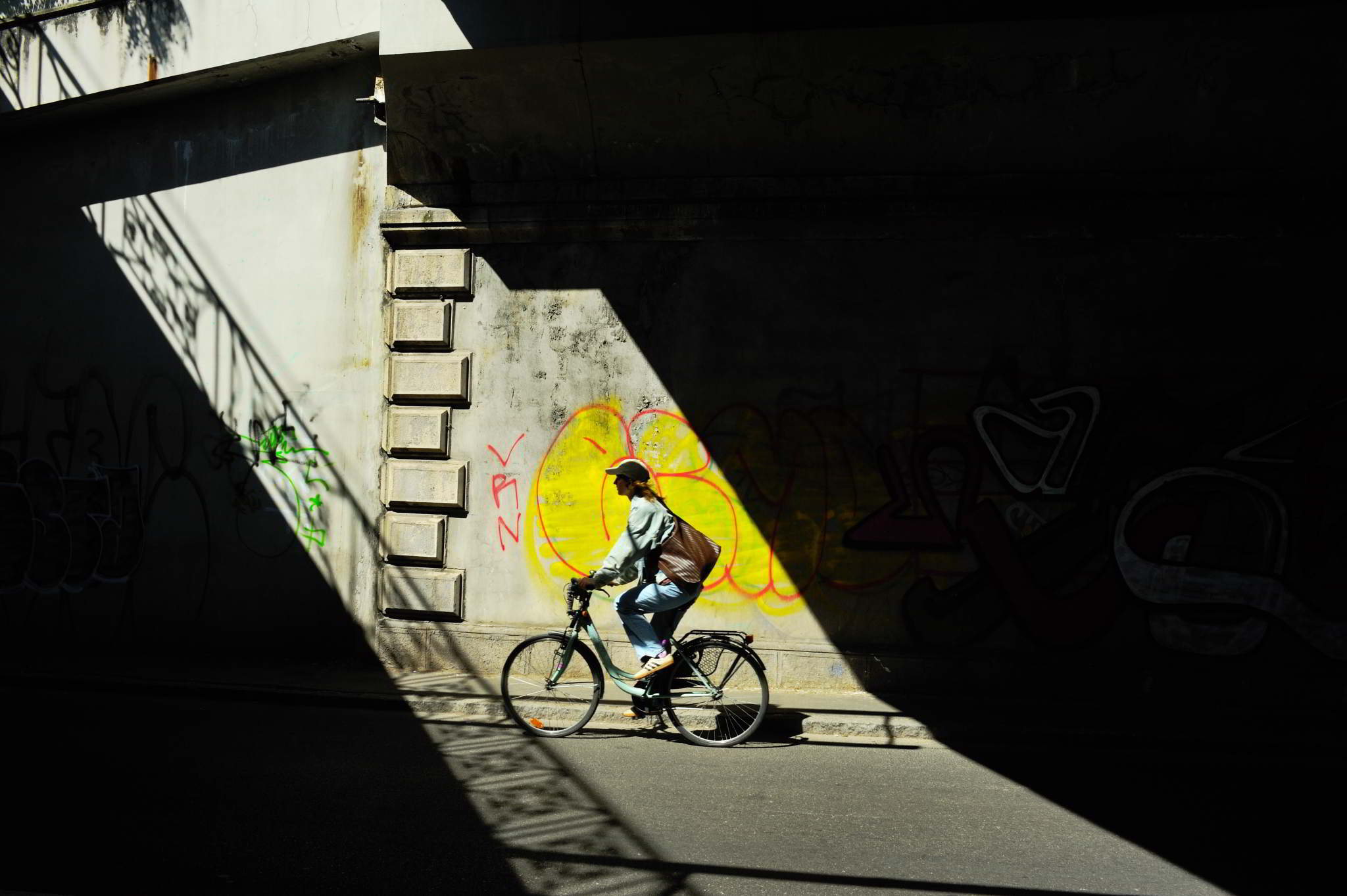
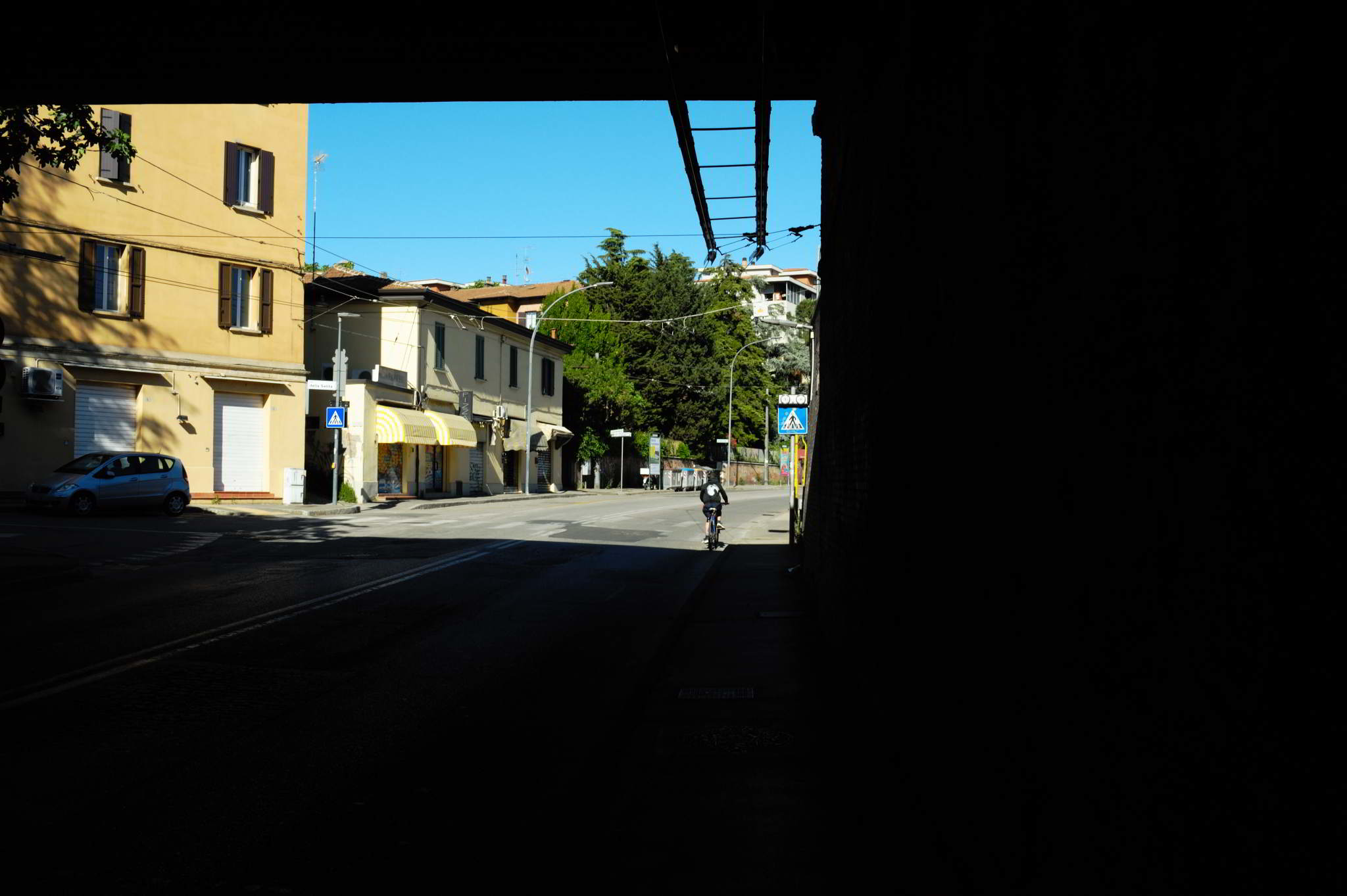
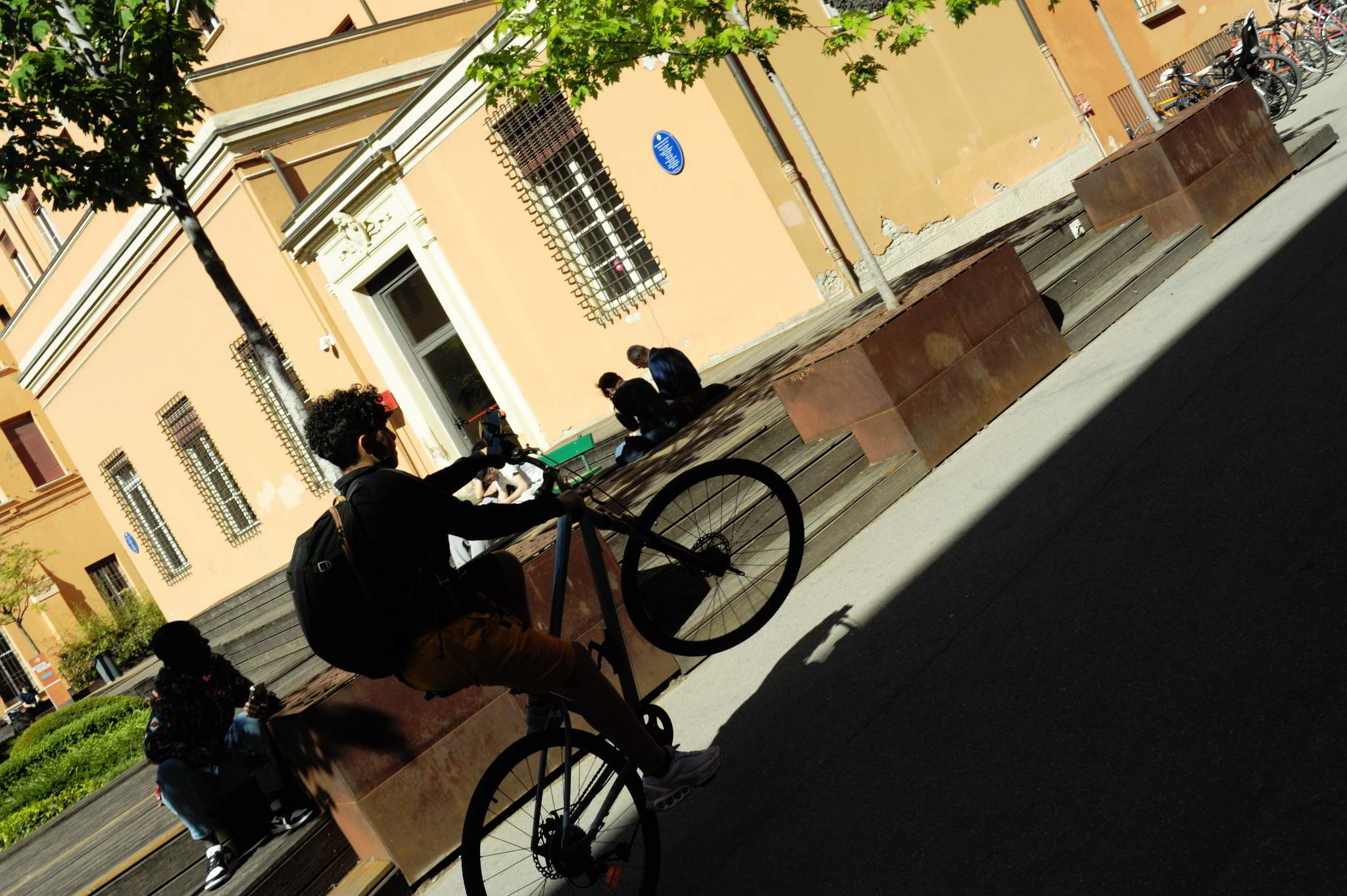
Of course, being a Nikon user, it’s been an advantage: the D700 made sense right away, from the buttons to the menu system. That didn’t surprise me much. What I wasn’t expecting was how comfortable shooting with the D700 is! The optical viewfinder works just fine, with clear indicators, like the focus confirmation. The camera reads the lens’s aperture automatically; there’s no need to fiddle with buttons or dials. Zf users know this, as the user has to manually change it from the command dial every time we change aperture.
There’s focus confirmation when using manual lenses: in the optical viewfinder, there are two blinking arrows, and when the object is in focus, a green dot appears in between them.
The colors! I absolutely love the renders this camera produces. Of course, it took only a little digging about the D700 colors before I stumbled upon yet another Picture Control, the D2XMODE (I, II, III), which are supposed to mimic the Nikon D2X’s color rendition. These modes are supposed to yield natural color results. Let’s only say that after I managed to find those profiles (which are now deeply buried inside the Internet’s archives), I left the D2X MODE II on by default.
Handling. The D700 has a generous grip, and despite its 1,074 g (2.37 lb) weight, it’s surprisingly comfortable to carry.
The battery life is ridiculous. So far, I charged the one battery I have only once, and it’s still at 72% after who knows how many shooting sessions. Granted, this camera doesn’t drain much battery, considering it’s stripped down to the bare bones: it does one thing, it takes pictures. It doesn’t include IBIS or other frills, and it doesn’t have a super-duper rear screen. Yeah, no wonder the battery lasts long. But that’s one of the lessons here: why did we end up with such complex cameras? Don’t get me wrong, I know the Zf can shoot great video, and who knows? Maybe one day it will come in handy. But hadn’t the Zf come up with video and IBIS, I wouldn’t have complained at all. I only need to take pictures.
And I hear already what others would say: they need a camera that shoots video. There lies the problem: by today’s standards, marketing a camera that only takes pictures is challenging to say the least.
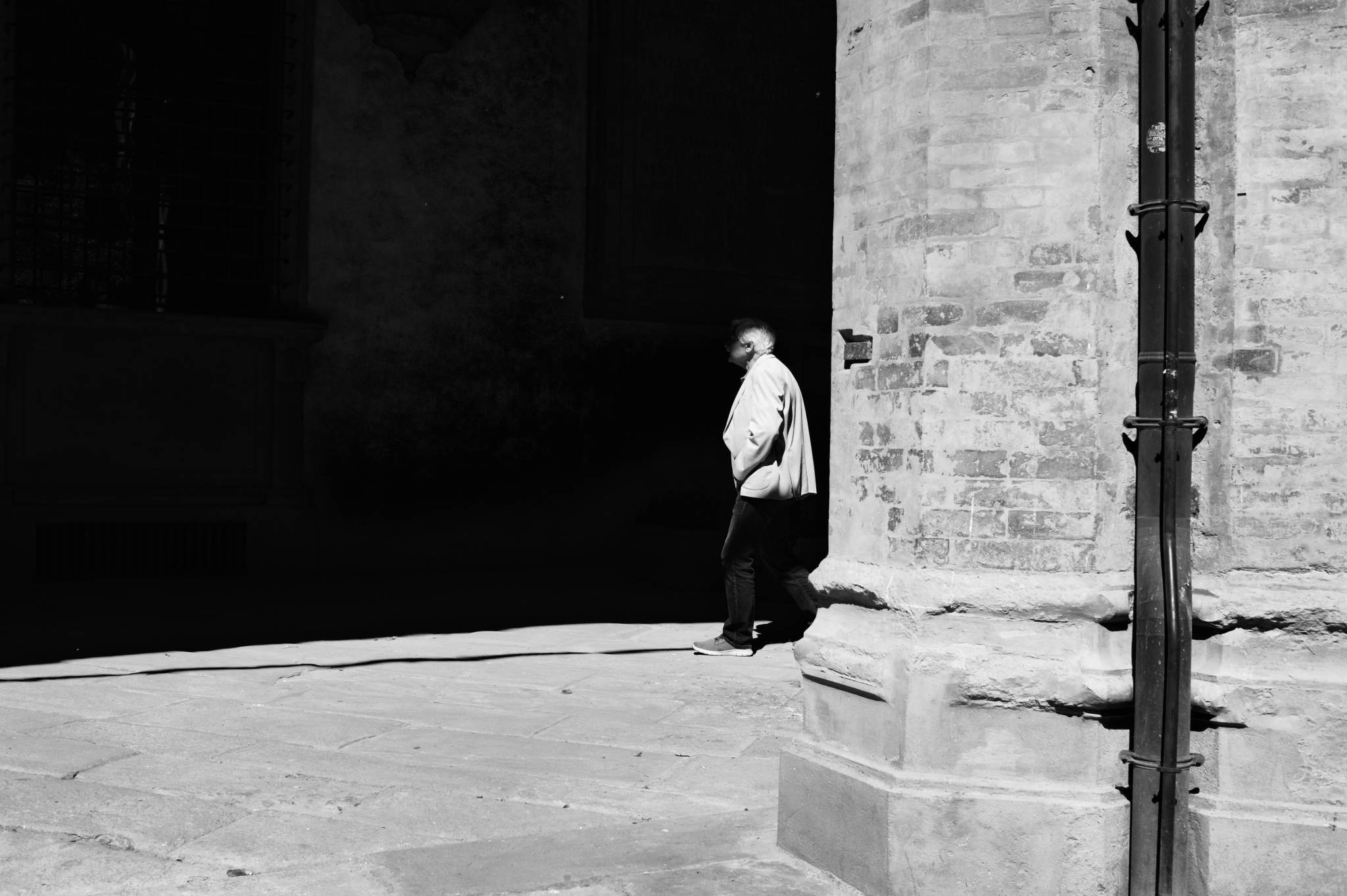
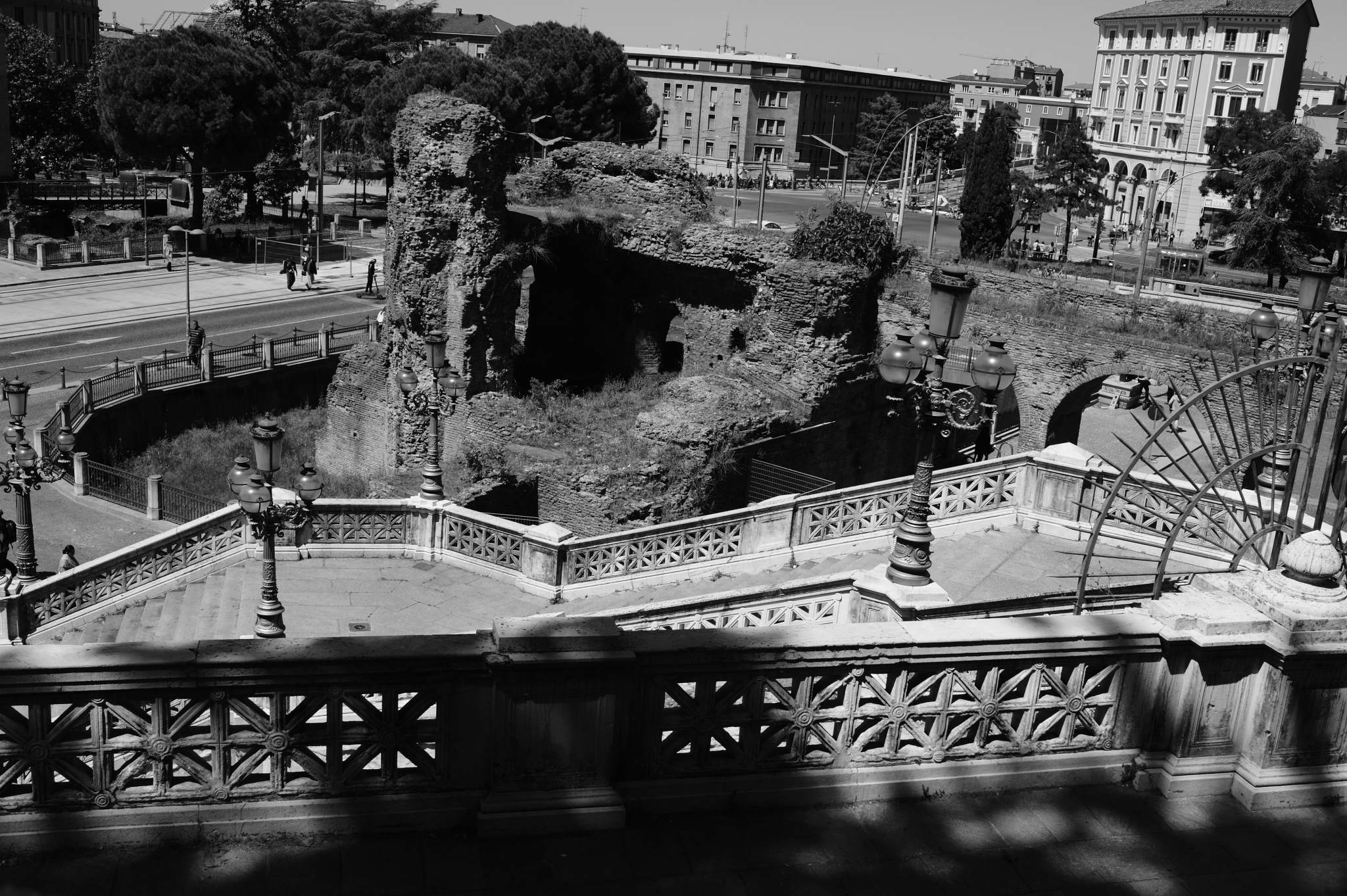
This made me realize that, after all, if we don’t have better cameras nowadays, it’s actually the users’ fault. Mind you, I’m not saying having access to more complex cameras is a bad thing. They definitely have their place. But does a more engineered camera mean a better one? I don’t think so. I think manufacturers simply adjust and react to consumers’ demands: more megapixels, higher video recording specs, and all the bells and whistles one can imagine. What would happen if a brand came up with a new camera that doesn’t shoot video, doesn’t have IBIS, a basic menu system, and so on? You can guess how the sales would go.
Leave a Reply